How Much Does It Cost to Develop a Food Delivery App Like Uber Eats?

Key takeaways An Uber Eats-style product is four connected surfaces (customer app, restaurant tools, courier app, admin panel) on one backend, not a single app. On Agile Stormers' published planning ranges, a custom iOS and Android build of those surfaces starts in the $80,000 to $200,000 band. That is a planning assumption, not a quote. The delivery model (your own couriers, restaurant-delivered, or a third-party network) moves scope more than any single feature. Payment fees, map usage, store accounts, and the cost of winning restaurants, couriers and customers sit outside the development quote. Launch narrow: one neighborhood, one working order loop, and an...

Mobile App Security Checklist 20 Controls to Review

Mobile App Security Checklist 20 Controls Every Business Should Review

Mobile security failures usually come from a few places: weak logins, unprotected data, exposed APIs, careless on-device storage, third-party code, and too little testing. Most sections end with questions for your team, and the 20-control checklist works as a release review agenda.Your app holds customer data and runs on devices you don't control. A mobile app security checklist gives you a repeatable way to review that risk before every major release, not just before launch. For a US business, a breach also means legal exposure and lost trust, on top of the technical cleanup.This guide is for founders, CEOs, CTOs,...

Real Estate Apps in Dallas Complete Development Guide

A property manager in Plano, a broker in Fort Worth and a landlord with six rental homes in Arlington all do some version of the same job they match people with places, keep track of money and paperwork, and answer a lot of messages. The difference is where that work happens. For some it lives in a spreadsheet and a group text. For others it lives in a phone app that tenants, agents and owners open every day. This guide looks at how real estate businesses across Dallas–Fort Worth use apps, which features carry the most weight, which integrations are worth...

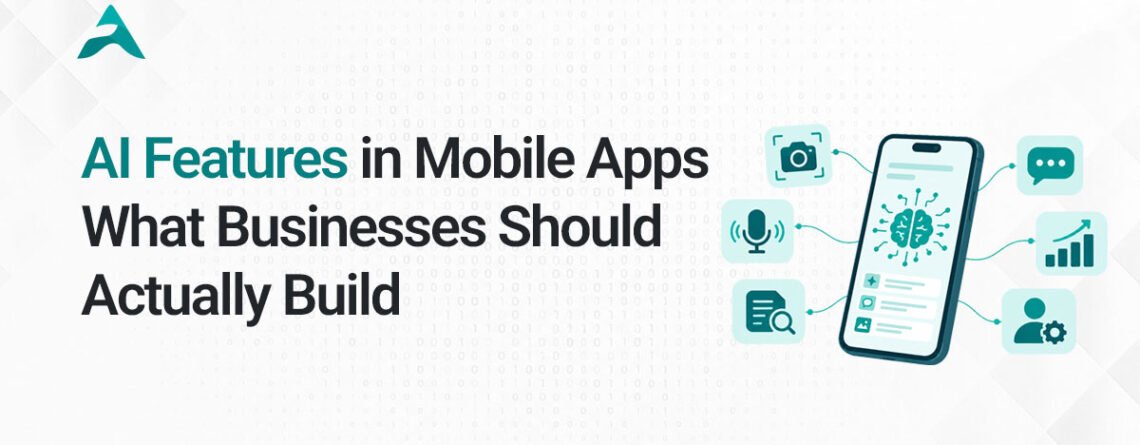
AI Features in Mobile Apps What Businesses Should Actually Build

Most business owners who ask about AI in their mobile app are really asking a narrower question: which AI features to build in a mobile app, and which ones to leave alone. The honest answer is that it depends on the problem you are solving. Some AI features are mature, affordable to try, and clearly useful. Others look impressive in a demo and create maintenance headaches in production.This article walks through the AI features that have practical business value today, where each one fits, where it falls short, and how to decide what belongs in your first release. It is...

Top App Development Companies in Houston

Plenty of app projects go wrong before a single line of code is written. The goals are vague, the budget is a guess, and the development partner is picked off a slick sales deck. Six months later, the app is late, over budget, or ignored by the people it was built for.Houston businesses face this choice more often than ever. The metro now has more than 243,000 tech jobs, according to the Greater Houston Partnership, and it climbed to No. 10 on Site Selection magazine’s North American Tech Hub Index in January 2026. Hospitals, energy firms, banks, and logistics operators...

AI Innovation to Cyber Threats New Reality of Mobile App Security

In early 2024, a finance employee at the engineering firm Arup joined a video call with his CFO and several colleagues. Following their instructions, he made 15 transfers totaling about US$25.6 million. Everyone else on the call was a deepfake. That was 2024. The tools behind such attacks have only improved since, and the evidence so far suggests the AI threat will not stop in 2027 it is likely to keep growing more powerful, more automated, and harder to spot.No app was hacked and no password was cracked. What failed was the assumption that seeing and hearing someone proves who...

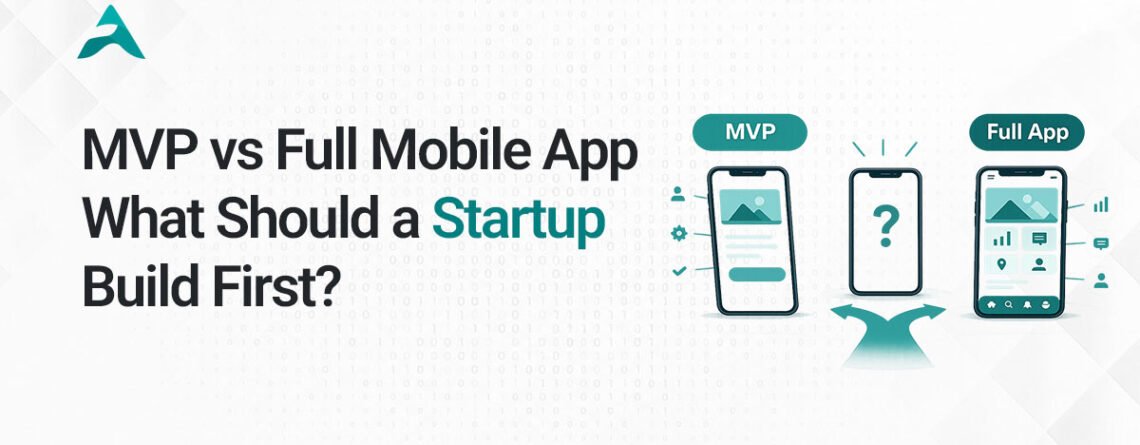
MVP vs Full Mobile App What Should a Startup Build First

You have an app idea, a budget that will not stretch forever, and a nagging question do you launch something small and learn, or build the whole product so nobody can call it half-finished? Both fears are fair. Launch too little and early users may shrug. Launch too much and you can spend your runway on features nobody asked for.The MVP vs full app development decision comes down to one question: what is the riskiest thing you don’t yet know? If it’s whether people want your product, build a minimum viable product (MVP) first. If demand is already proven, or...

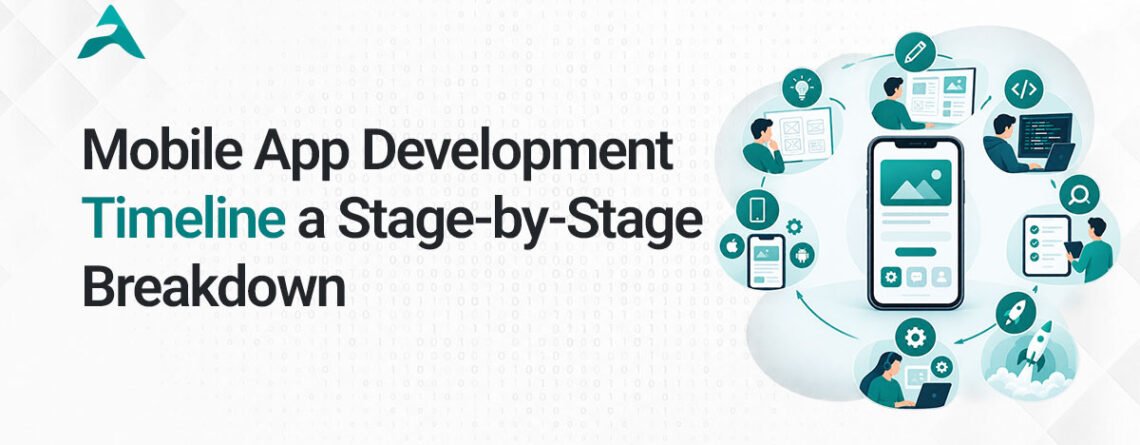
Mobile App Development Timeline A Stage-by-Stage Breakdown

A typical mobile app development timeline can range from 6–12 weeks for a focused MVP to 6–12+ months for complex enterprise applications. The actual timeframe depends on the app's features, UI/UX complexity, platforms, backend requirements, integrations, security needs, testing, and development approach.Understanding each stage before development begins can help businesses set realistic expectations, prioritize features, and avoid unnecessary delays.This guide breaks down the mobile app development process stage by stage, explains how long each phase typically takes, and highlights the factors that can speed up or extend the project timeline. Mobile App Development Timeline at a Glance A typical mobile application moves...

Mobile App Development Guide From Idea to Successful Launch

Building a mobile app is no longer simply about turning an idea into code. For startups, SMBs, and enterprises, a successful mobile application requires a clear business case, validated product strategy, thoughtful UX, the right technology architecture, secure development, reliable integrations, and a plan for continuous improvement.Whether you are launching a new digital product, creating an MVP, improving customer experience, modernizing an existing business system, or developing an enterprise application, the decisions you make before development begins can have a major impact on cost, timeline, scalability, and long-term ROI.This mobile app development guide explains the complete journey from validating an...

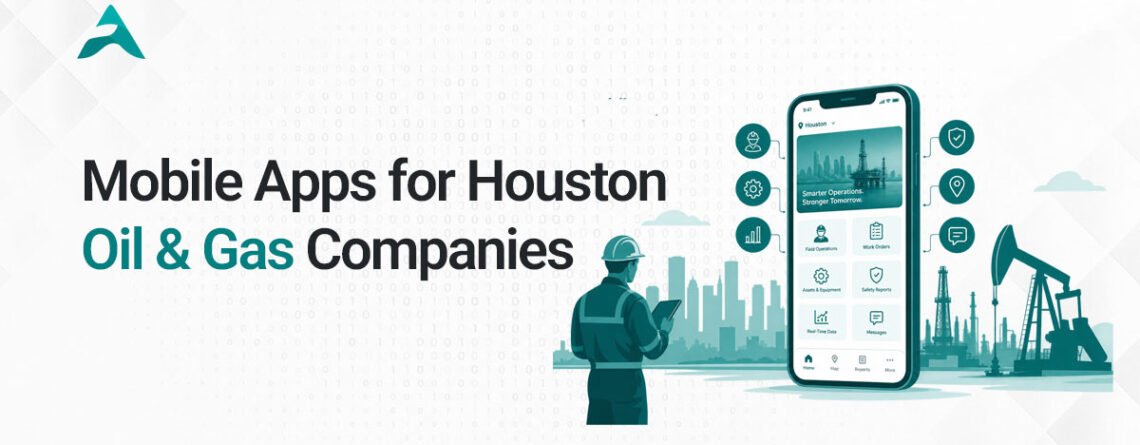
Mobile Apps for Houston Oil & Gas Companies

Mobile Apps for Houston Oil & Gas Companies

Houston’s oil and gas industry depends on complex operations spread across offices, facilities, well sites, pipelines, equipment yards, and remote field locations. Keeping information moving between field workers and office teams is essential, but many companies still rely on a combination of paper forms, spreadsheets, phone calls, emails, and disconnected software systems. A purpose-built mobile application can provide a practical digital layer between field operations and the systems used by management. Instead of treating a mobile app as simply another interface, oil and gas companies can use it to connect: Field Worker → Mobile App → Data & Workflow → Backend Systems →...

Skip to content